Key Characters of the Yatra
Through this sacred trail, you encounter timeless Patra (spiritual figures)—not only as part of the Puranas and ancient epics, but as enduring energies that define the essence of this Yatra.
Shiva — The Adiyogi, The Source of Stillness
The primordial yogi—the First Yogi (Adiyogi)—whose eternal presence is believed to reside in deep meditation at Adi Kailash. In the sacred consciousness of the Himalayas, Shiva is experienced as Shoonya (infinite stillness), the source from which creation arises and dissolves.
Revered across the Puranas and ancient epics, he embodies the union of stillness and Shakti, holding the cosmic rhythm of creation, preservation, and dissolution. Through this Yatra, Shiva is not just worshipped, but realised as a state of awareness, balance, and transcendence.
Parvati — The Divine Shakti, The Seeker
The embodiment of Shakti—divine feminine energy—and unwavering devotion, who, as described in the Puranas, undertook intense tapasya to unite with Shiva.
Her presence is associated with sacred sites such as Parvati Sarovar and Gauri Kund, symbolising perseverance, purity, and the sacred path of union. Revered as the mother of the universe, she represents strength, compassion, and the sustaining force behind creation. In essence, Parvati reflects the seeker's journey—where devotion, discipline, and inner resolve lead to divine union.
Ved Vyasa — The Keeper of Sacred Knowledge
Situated within the sacred Vyas Valley, Vyasa Cave is traditionally associated with Sage Krishna Dvaipayana Ved Vyasa, revered as the compiler and systematiser of the four Vedas, the composer of the Mahabharata, and the author of the Puranas. Believed to have been a place of meditation, contemplation, and the transmission of sacred knowledge, the cave reflects the timeless wisdom of the Himalayan rishi tradition. Regarded as the Guru of Gurus, Ved Vyasa preserved and organised the foundations of Sanatana Dharma, making profound spiritual truths accessible across generations. His enduring legacy embodies Jnana (wisdom), devotion, and the continuity of sacred knowledge through the ages. Through his presence, this Yatra becomes not only a journey of devotion but also an invitation to reflection, learning, and a deeper understanding of the eternal teachings of Sanatana Dharma.
The Pandavas — Seekers on the Path of Moksha
Central figures of the Mahabharata, believed to have traversed this region during their final journey (Mahaprasthan), symbolising detachment and liberation.
Ravana — The Devotee of Shiva
A complex figure of immense knowledge and Shakti, known for his intense tapasya to seek Shiva's blessings—reflecting devotion shaped by both discipline and ego.
Neem Karoli Baba — The Modern Mystic
A revered saint of the 20th century, whose ashram at Kainchi Dham marks a sacred beginning to the Yatra, guiding seekers through simplicity, faith, and quiet grace. His name is believed to be derived from the village Neem Karoli in Uttar Pradesh, where he was closely associated—rooting his identity in place rather than persona. Often regarded as an embodiment of bhakti (devotion) and seva (selfless service), his teachings emphasised humility, love, and remembrance of the divine. Through his presence, the journey begins not with grandeur, but with surrender—anchored in faith and inner stillness.
The Sacred Landscape – Vyas Valley & Beyond
As the Yatra ascends into the higher Himalayas, it unfolds through the spiritually resonant Vyas Valley—a region where natural grandeur converges with scriptural legacy. Traditionally associated with Sage Ved Vyasa, revered in the Puranas and the Mahabharata, this valley is believed to be a seat of Jnana (wisdom), where contemplation, composition, and the preservation of sacred knowledge took form.
The Yatra Unfolds — A Journey Through Sacred Sthals
Each Charan (stage) of this Yatra is not merely a destination, but a gradual inward movement—where geography aligns with spirituality, and every Sthal reveals a deeper dimension of the self.
Bhimtal — The Gentle Beginning
The Yatra begins amidst the serene Himalayan foothills at Bhimtal, a tranquil lake town known for its calming natural beauty and spiritual stillness. Surrounded by forested hills and pristine waters, Bhimtal offers travellers a gradual transition from the rush of the plains into the contemplative rhythm of the Himalayas.
Dharchula — Gateway to the Sacred Himalayas
Nestled along the Indo–Nepal border beside the Kali River, Dharchula serves as the spiritual and geographical gateway into the higher Himalayan frontier. Historically an important corridor for pilgrimage and mountain trade, the town marks the beginning of the deeper Himalayan ascent.
The Sacred Route to Nabi — Waterfalls, Valleys & Himalayan Echoes
The journey from Dharchula to Nabi unfolds through some of the most dramatic and spiritually resonant landscapes of the Kumaon Himalayas. Along the route lie Dharchula View Point, Tawaghat Sangam, Malipa, Budi, Chheto, Garbyang, Sita Bridge, Napalchyo, Gunji, and Chyanam Jhara — each carrying its own story, folklore, and sacred atmosphere.
Gunji – Nabi – Kuti — Living Himalayan Traditions
As the Yatra progresses through the remote settlements of Gunji, Nabi, and Kuti in the Vyas Valley, life slows into the timeless rhythm of the Himalayas. These villages are home to deeply rooted Himalayan traditions and communities whose lives remain closely connected with the sacred landscape around them.
Kalapani & Shesh Nag Parvat — The Realm of Shakti
Further into the Himalayan frontier lies Kalapani, revered for the sacred Kali Temple and its association with the origin region of the Kali River. The landscape here is spiritually charged, framed by the majestic presence of Shesh Nag Parvat and the surrounding Himalayan peaks.
This region invokes the Shakti (divine feminine energy) that protects, transforms, and guides the seeker through the sacred terrain.
Vyasa Cave — The Seat of Sacred Wisdom
Situated within the sacred Vyas Valley, Vyasa Cave is traditionally associated with Sage Ved Vyasa, revered as the composer of the Mahabharata. The cave symbolises the transmission of sacred knowledge and the meditative wisdom of the Himalayan rishi tradition.
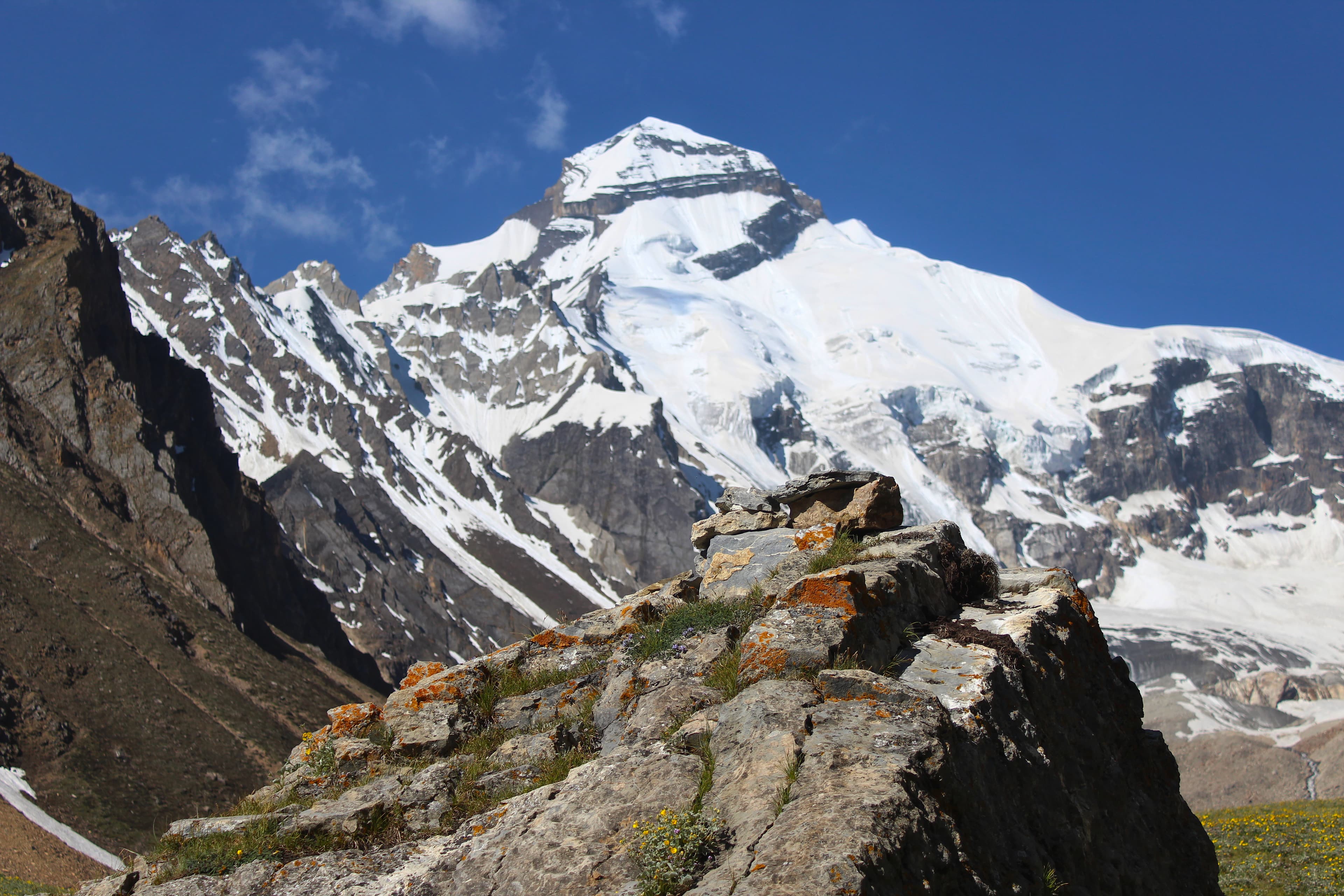
Om Parvat — The Cosmic Vibration
Om Parvat is renowned for the naturally occurring snow formation resembling the sacred symbol "Om" on its mountain face, a phenomenon revered by pilgrims as a divine manifestation. Revered as a manifestation of the primordial cosmic sound, the mountain radiates profound spiritual energy and stillness.
Adi Kailash Region — Sacred Peaks & Mythological Landscapes
The route towards Adi Kailash passes through spiritually revered landscapes including Brahma Parvat, Pandav Parvat, Pandav Kila, Bheem Ki Kheti, and the crown-shaped Parvati Mukut. These Himalayan landmarks are deeply interwoven with ancient lore, meditation traditions, and the legends of the Pandavas.
Parvati Sarovar — The Energy of Bhakti
Nestled near Adi Kailash, Parvati Sarovar is a serene high-altitude lake associated with Goddess Parvati. The still waters and surrounding Himalayan silence create an atmosphere of devotion, introspection, and sacred offering.
Adi Kailash — The Abode of Shiva
The culmination of the Yatra is the Darshan of Adi Kailash—revered in Hindu tradition as one of the most sacred Himalayan abodes associated with Lord Shiva. Its serene landscape and profound spiritual presence have inspired pilgrims and seekers for generations. Revered for its spiritual stillness and powerful Himalayan presence, Adi Kailash symbolises transcendence, liberation, and the meditative essence of Shiva.
Kainchi Dham — Blessings & Completion of the Yatra
Towards the conclusion of the Yatra, travellers visit Kainchi Dham, the revered ashram established by Shri Neem Karori Baba. Surrounded by forested hills and spiritual serenity, this sacred space offers devotees a moment of gratitude, reflection, and quiet fulfilment after the Himalayan pilgrimage.
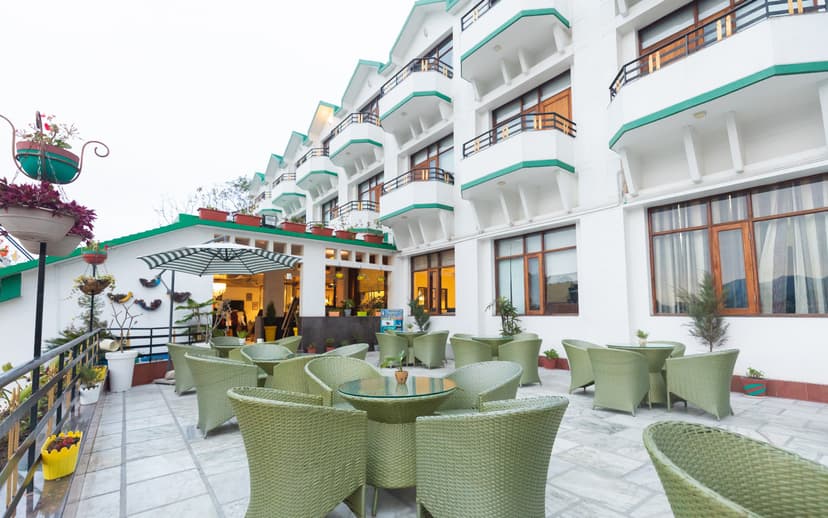
Bhimtal, Uttarakhand, India

Dharchula, Uttarakhand, India

Bhimtal, Uttarakhand, India
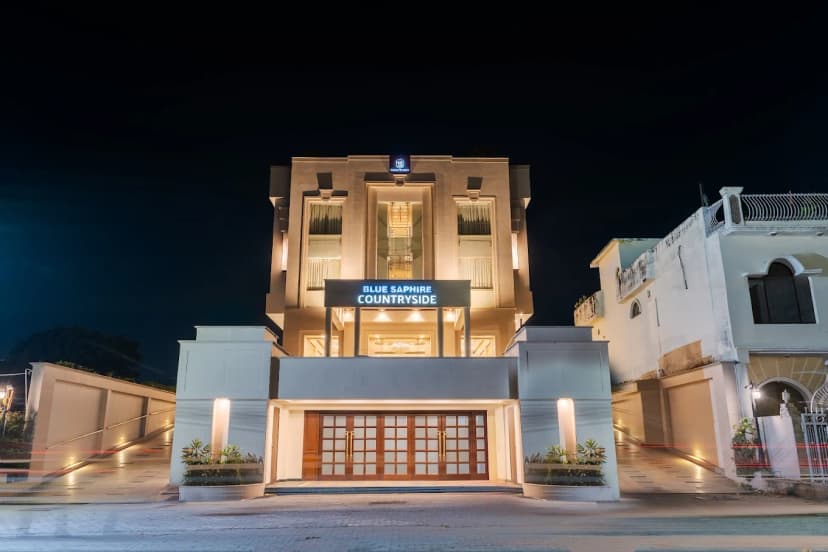
Haridwar, Uttarakhand, India
06 Breakfasts & 06 Dinners at the hotel itself
07 Buffet Lunch/packed lunch enroute
Read full Terms & Conditions here
Standard Sri Lanka plus India excluding CharDham
$821.60
/person

 Call us